
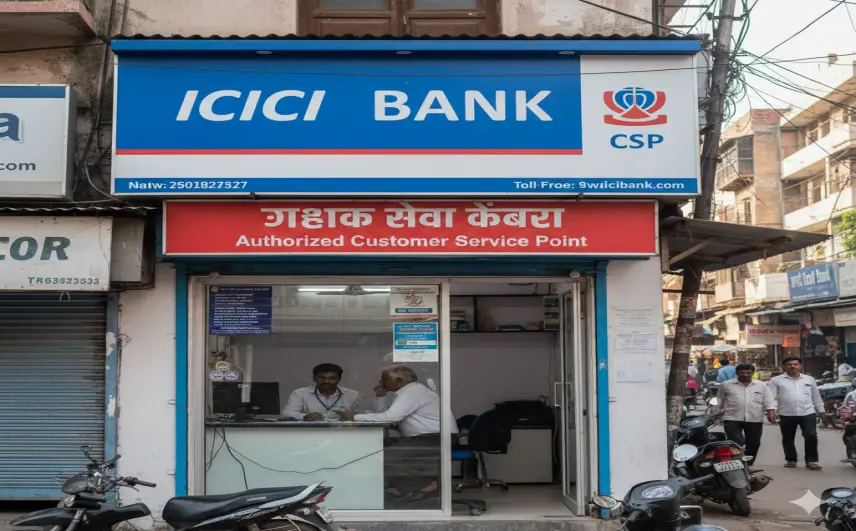
About ICICI Bank CSP: Step-by-Step Application, Pros
Overview of ICICI Bank CSP
ICICI Bank CSP, or Customer Service Point, is a key component of the bank's Business Correspondent (BC) program, aimed at delivering convenient banking services to rural, semi-urban, and unbanked populations across India. As one of the country's largest private sector banks, ICICI empowers local agents—known as Bank Mitras—to operate these CSP kiosks, offering services like account openings (savings, recurring/fixed deposits), cash deposits and withdrawals (via AEPS), fund transfers (IMPS/NEFT/RTGS/UPI), bill payments, mobile/DTH recharges, insurance enrollments, loan referrals, and government scheme support.
In 2026, ICICI Bank's CSP network leverages advanced digital platforms for secure, real-time transactions, contributing significantly to financial inclusion with over 1 crore accounts opened through the BC model historically. Individual applications are facilitated exclusively through authorized third-party providers such as Oxigen CSP Provider, Bankmitra CSP, NICT CSP, rather than directly via the bank. This partnership approach ensures comprehensive support, from onboarding to operations, making it ideal for entrepreneurs seeking low-investment opportunities in underserved areas.
Steps to Apply for ICICI Bank CSP
The application process for ICICI Bank CSP is fully online through trusted providers, with no direct submissions accepted on the bank's website. Eligibility includes being 18+, having basic education (minimum 10th pass preferred), computer literacy, and a accessible location (shop/home/kiosk). Approval typically takes 7-21 days.
- Select a Verified Provider: Choose an authorized platform like Mitra Bank CSP, CSP Mitra Bank, SaveCSP Apply, or CSP Bank Mitra BC that supports ICICI Bank registrations.
- Prepare Documents: Collect Aadhaar card, PAN card, address proof (Voter ID/utility bill/rent agreement), educational certificates, passport-sized photos, and bank account details.
- Fill the Online Form: Visit the provider's portal, select ICICI Bank CSP, enter personal, business, and location information, then upload documents.
- Submit Fees: Pay the registration fee (₹5,000-₹20,000, varying by provider). Budget additional ₹20,000-₹60,000 for infrastructure (computer, biometric scanner, printer, internet).
- Verification: The provider submits to ICICI Bank's BC team for document checks, background verification, and possible site assessment.
- Complete Training: Attend sessions on ICICI's portal, compliance (KYC/AML), and transaction processes.
- Activation: Receive your CSP ID, secure login, and branding; commence services with commission tracking.
Advantages of Becoming an ICICI Bank CSP Operator
- Lucrative Commissions: Earn on every transaction (e.g., percentage on deposits/withdrawals, fixed fees for transfers/recharges/accounts), potentially ₹15,000-₹50,000 monthly, with higher volumes yielding bonuses.
- Prestigious Brand Leverage: Association with ICICI Bank's trusted name attracts customers quickly, enhancing credibility and footfall.
- Low Barrier & Flexibility: Minimal investment and no need for a large store; operate from home or existing shops with flexible timings.
- Comprehensive Support: Providers offer training, technical help, and marketing; ICICI's digital tools ensure efficient, error-free operations.
- Social & Business Growth: Promote financial inclusion while diversifying into insurance/loans, creating sustainable income and community impact.
Disadvantages of Becoming an ICICI Bank CSP Operator
- Initial Expenses: Total costs ₹25,000-₹80,000 for fees and setup, which may take time to recover in low-traffic areas.
- Third-Party Dependency: Applications and support routed through providers, potentially causing variations in service quality or delays.
- Infrastructure Needs: Stable internet/power essential; rural outages can interrupt services and reduce earnings.
- Earnings Variability: Income depends on transaction volume, affected by digital competition (UPI apps) and local demand fluctuations.
- Regulatory Demands: Strict KYC/compliance requirements, audits, and cash handling add workload and risk of penalties.