
About Punjab and Sind Bank CSP: Application Steps, Benefits
Overview of Punjab and Sind Bank CSP
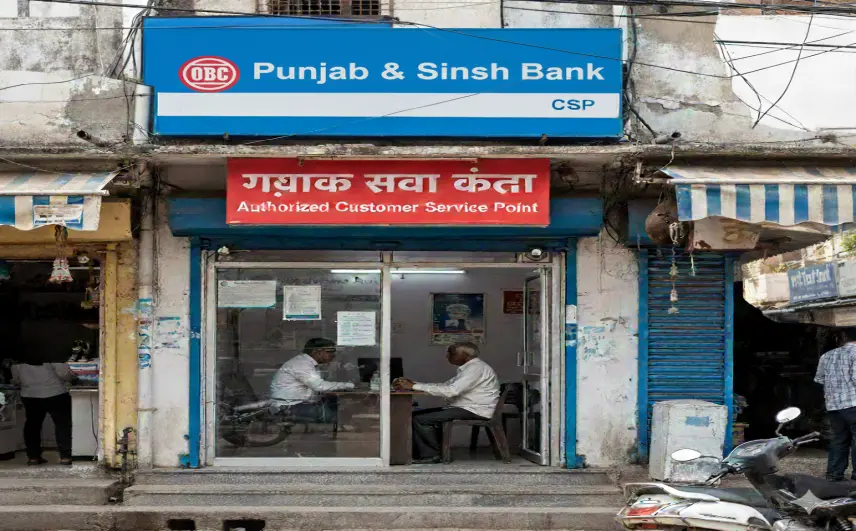
Punjab and Sind Bank CSP, or Customer Service Point, is a key financial inclusion initiative under the bank's Business Correspondent (BC) framework, targeting rural, semi-urban, and underserved areas across India. As a public sector bank with strong roots in Punjab and North India, Punjab and Sind Bank (PSB) appoints local agents—Bank Mitras—to operate these CSP kiosks. Services include account openings (savings, RD/FD), cash deposits and withdrawals (via AEPS), fund transfers (IMPS/NEFT/RTGS/UPI), bill payments, mobile/DTH recharges, loan assistance, insurance enrollments (PMJJBY/PMSBY), and government pension/subsidy disbursements.
In January 2026, PSB remains an independent public sector bank with around 1,500 branches, focusing on agricultural and MSME lending alongside CSP expansion. Applications are processed exclusively through authorized third-party providers such as Oxigen CSP Provider, Bankmitra CSP, NICT CSP, ensuring structured onboarding and support. This model is particularly viable in Punjab, Haryana, Delhi, Rajasthan, and Uttar Pradesh, where PSB has deep penetration, offering entrepreneurs a stable opportunity to serve communities while earning commissions.
Steps to Apply for Punjab and Sind Bank CSP
PSB CSP registrations are online via partnered providers; direct applications to the bank are not available. Eligibility: Age 18+, minimum 10th-grade education, basic computer literacy, and a secure, accessible space (100-150 sq. ft.). Approval typically takes 7-21 days.
- Select an Authorized Provider: Choose reliable platforms like CSP Mitra Bank, Digital India CSP, NICT CSP, or Gramin CSP Service that support Punjab and Sind Bank CSP.
- Prepare Documents: Collect Aadhaar card, PAN card, address proof (Voter ID/utility bill/rent agreement), educational certificates, passport-sized photos, bank account details, and premises proof.
- Complete Online Application: Visit the provider's portal, select Punjab and Sind Bank CSP, enter personal, contact, and location details, then upload documents.
- Pay Fees: Registration costs ₹5,000-₹18,000 (varies by provider). Additional setup for computer, biometric scanner, printer, and internet: ₹20,000-₹55,000.
- Verification: Provider submits to PSB's BC team for document review, background/credit checks, and possible site visit.
- Training: Attend mandatory sessions on PSB software, KYC/AML compliance, and service protocols.
- Activation: Receive unique CSP ID, login credentials, branding kit, and start operations with commission tracking.
Advantages of Becoming a Punjab and Sind Bank CSP Operator
- Reliable Income Stream: Commissions on transactions (percentage on deposits/withdrawals, fixed rates on transfers/accounts), potentially ₹10,000-₹40,000 monthly, with incentives for rural scheme enrollments.
- Public Sector Credibility: Strong trust in government-backed PSB, especially in Punjab/North India, ensuring steady customer flow.
- Low Entry Barrier: Affordable startup; flexible operations from existing shops or home, ideal for local entrepreneurs.
- Comprehensive Support: Providers offer training, technical help, and marketing; PSB's stable systems ensure smooth functioning.
- Community & Growth Impact: Promote financial inclusion in agricultural regions while diversifying with add-ons (insurance, pensions).
Disadvantages of Becoming a Punjab and Sind Bank CSP Operator
- Geographic Concentration: Highest viability in North India (Punjab, Haryana, Delhi); lower volumes elsewhere due to limited national presence.
- Initial Capital: Total ₹25,000-₹75,000 for fees and equipment, challenging without quick traction.
- Technology Dependency: Requires stable internet/power; rural connectivity issues can cause downtime.
- Variable Earnings: Fluctuates with seasonal agricultural income and competition from UPI/digital wallets.
- Provider & Regulatory Burden: Third-party process may cause delays; public sector compliance demands thorough KYC/audits.