
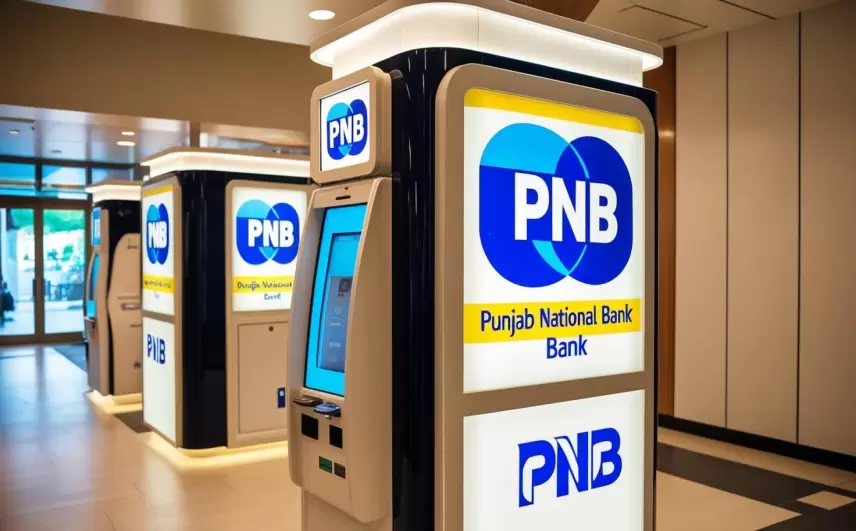
PNB CSP Registration: Complete 2026 Guide to Register as Punjab National Bank Business Correspondent
Introduction to PNB CSP Registration
In 2026, PNB CSP Registration remains one of the most accessible ways to enter the banking sector as an entrepreneur while supporting India's financial inclusion goals. Punjab National Bank (PNB) Customer Service Point (CSP), also called Bank Mitra or Business Correspondent (BC), lets authorized individuals operate mini-banking outlets in rural, semi-urban, and underserved areas.
Through PNB CSP, you can offer essential services like account opening, cash deposits/withdrawals, transfers, AEPS, bill payments, and more – all earning attractive commissions per transaction. With digital banking booming and RBI encouraging BC models, registering as a PNB CSP in 2026 offers steady income and community impact.
This unique, updated guide covers everything: eligibility, documents, registration steps, earnings potential, and more.
What is PNB CSP?
PNB CSP stands for Punjab National Bank Customer Service Point. It's part of the RBI-approved Business Correspondent framework where non-bank entities/individuals act as agents to deliver banking services using technology like biometric devices and kiosk software.
Key role: Bridge the gap between PNB branches and customers in areas with limited banking access. CSPs use PNB's Kiosk Banking Solution (KBS) for secure, real-time transactions.
Eligibility Criteria for PNB CSP Registration 2026
To qualify for PNB CSP Registration:
- Minimum age: 18 years
- Education: At least 10th pass (higher qualifications preferred)
- Residency: Strong preference for local residents of the proposed CSP area (rural/semi-urban priority)
- Infrastructure readiness: Ability to set up a small secure outlet with computer, printer, biometric scanner, internet, and power backup
- Clean record: No criminal background; good financial standing
- Skills: Basic computer literacy; willingness to undergo training
Women applicants and those from underserved regions often receive priority under schemes like BC Sakhi.
Required Documents for PNB CSP Registration
Gather these documents before applying:
- Identity Proof: Aadhaar Card, PAN Card, Voter ID
- Address Proof: Utility bill, ration card, or Aadhaar
- Educational Qualification: 10th certificate or higher
- Passport-sized photographs (recent)
- Bank account details (preferably PNB account)
- Proposed location details (photos, rent agreement if applicable)
- Police verification certificate (may be required post-initial approval)
Scan and keep digital copies ready for online submissions.
Step-by-Step PNB CSP Registration Process 2026
Follow this updated process:
- Research Availability Check vacant clusters/areas on pnbindia.in (Financial Inclusion section) or contact nearest PNB branch. Confirm demand in your locality.
- Choose Authorized Channel Apply via PNB's authorized Business Correspondents (BCs) like NICT CSP, Oxigen CSP, Bank Mitra CSP providers, or CSC-linked partners. Direct branch applications are also possible.
- Fill Application Form Access the online form through authorized BC portals or visit a branch. Provide personal details, location info, and upload documents.
- Document Submission & Verification Submit KYC documents. PNB/BC team verifies details, conducts background check, and inspects proposed site.
- Training & Approval Attend mandatory training on PNB software, compliance, KYC norms, and fraud prevention. Upon successful completion, receive approval and CSP ID.
- Setup & Activation Install required hardware (computer, biometric device, printer). Get login credentials and go live. Total timeline: 15–60 days.
Tip: Avoid unofficial agents; use only verified BCs to prevent scams.
Setup Requirements for Your PNB CSP Outlet
- Dedicated space (50–100 sq ft, secure & accessible)
- Desktop/laptop with Windows
- Biometric device (for AEPS/e-KYC)
- Thermal printer/scanner
- High-speed internet (4+ Mbps)
- UPS/power backup
- Branding (PNB provides stickers/posters)
Initial investment: ₹50,000–₹1,20,000 (varies by setup).
Services You Can Offer After PNB CSP Registration
- Savings/current account opening
- Cash deposit & withdrawal (including AEPS)
- Fund transfers (IMPS/NEFT)
- Aadhaar-linked services & e-KYC
- Bill payments, mobile/DTH recharge
- Micro-insurance, Atal Pension Yojana, PMJJBY
- PNB Sanchay micro-deposits
- Mini-ATM transactions (where enabled)
Earnings & Commission Structure (2026 Insights)
PNB pays commissions per transaction (structure updated periodically):
- Account opening: ₹50–₹200
- Cash deposit/withdrawal: ₹2–₹10 per slab
- AEPS transactions: Fixed + percentage
- Other services: Varies (bill pay, insurance enrollment)
Monthly potential: ₹15,000–₹60,000+ in active locations with good volume. Incentives for targets met.
Benefits & Challenges of PNB CSP
Benefits:
- Flexible hours & location
- Commission-based steady income
- Social contribution to financial inclusion
- PNB support (training, marketing, tech)
Challenges:
- Initial setup cost
- Dependency on internet/power
- Competition in some areas
Success Tip: Focus on customer service, local promotion, and transaction volume growth.
Conclusion
PNB CSP Registration in 2026 is a golden opportunity for entrepreneurs to build a sustainable business while aiding financial access. Follow official channels, prepare documents, and invest in reliable setup for success.
Start today – visit your nearest PNB branch or trusted BC partner. For latest updates, always check pnbindia.in.
Disclaimer: Guidelines based on general & partner information as of 2026; confirm with official PNB sources or authorized BCs for exact/current details.
Related: PNB Kiosk Bank Guide | Apply For PNB CSP